

The Harsh Truth About Your Dusty Magazine Stack
If you take a look in any serious gambler’s attic or home office, you’re likely to find a leaning tower of glossy paper. From old issues of Casino Player to Strictly Slots and the early days of Card Player, we tend to hoard these things like they’re winning lottery tickets. But let’s be honest: in my view, 90% of what people are saving is nothing more than high-grade kindling. The belief that every old gambling magazine is a ‘collector’s item’ is a delusion that needs to be dismantled.
The reality is that print media, especially in the gambling niche, was mass-produced at an staggering rate during the late 90s and early 2000s. Just because something is twenty years old doesn’t mean it has intrinsic value. To determine if your collection is worth the shelf space it’s colonizing, you have to look past the nostalgia and evaluate the actual historical and strategic utility of the pages.
The Strategy Litmus Test: Content Over Cover
From my perspective, the single greatest factor in determining whether a vintage magazine is worth keeping is the quality of the information inside. We live in an era where ‘optimal strategy’ is a Google search away. However, there was a window of time where the world’s best poker players and advantage gamblers shared their secrets exclusively in print because there was nowhere else to put them.
I’ve found that the magazines worth their weight are those that capture a specific evolution in gaming strategy. If you have an issue where a legendary player like Doyle Brunson or David Sklansky is breaking down a specific mathematical concept for the first time, you’re holding a piece of intellectual history. On the other hand, if the magazine is 70% advertisements for offshore sportsbooks that went bust in 2006 and 30% ‘lifestyle’ fluff about the best buffet in Vegas, it’s probably time to let it go.
What Actually Makes a Magazine Valuable?
If you’re trying to separate the wheat from the chaff, I suggest looking for these specific markers of value:
- The ‘First’ Factor: Premier issues (Volume 1, Issue 1) of long-running or iconic publications are almost always worth keeping. They represent the birth of a brand.
- Pre-Boom Poker History: Anything published before the 2003 Moneymaker effect that features professional player profiles or early tournament results is increasingly rare.
- Advantage Play Documentation: Magazines or newsletters that focused on card counting or early sports betting models often have a cult following among pros.
- Iconic Cover Art: Occasionally, a magazine is worth keeping purely for the aesthetic. A beautifully preserved cover featuring a defunct casino like The Sands or The Stardust has historical crossover appeal.
The Myth of the ‘Mint Condition’
I see it all the time in collector forums: someone thinks their magazine is worth a fortune because it’s ‘pristine.’ In my opinion, condition only matters if the content is already desirable. A perfectly preserved copy of a mediocre magazine from 2004 is still a mediocre magazine. You cannot ‘condition’ your way into a high valuation if the underlying item lacks scarcity.
That said, if you do happen to have a rare issue—say, a 1980s Gambling Times—the difference between a ‘Fine’ grade and a ‘Poor’ grade is the difference between a $50 bill and a trip to the recycling bin. Water damage, ‘dog-eared’ pages, and the dreaded ‘musty basement smell’ are the enemies of value. If you haven’t stored your magazines in acid-free sleeves in a climate-controlled environment, you shouldn’t expect a windfall.
The Cultural Context: Why Some Issues Matter More
In my view, the magazines that are truly ‘worth keeping’ are those that act as a time capsule for a specific era of gambling culture. Think about the transition from the ‘Old Vegas’ mob-run era to the corporate mega-resort era. Magazines that documented that shift, featuring interviews with the architects of modern gaming, hold a level of gravitas that a generic ‘How to Play Craps’ guide never will.
I argue that we should be more selective. Keeping every issue of a monthly publication is a hobby; keeping the issues that changed the way we think about the house edge is a curation. If you can’t look at an issue and identify a specific reason why it’s important to the history of the game, it is likely just sentimental clutter.
The Final Verdict: Hoard or Heave?
- Check the Date: Is it from a pivotal year in gambling history?
- Check the Contributors: Does it feature names that still carry weight in the industry today?
- Check the Scarcity: Can you find ten copies of it on eBay for $2? If so, it’s not a collectible.
- Check Your Connection: Does this issue actually teach you something about gaming strategy that you can’t find elsewhere?
Conclusion: Be a Curator, Not a Hoarder
At the end of the day, your collection should reflect the best of the industry, not just the volume of it. I’ve found that by thinning out the ‘filler’ issues—those repetitive magazines that offered nothing but glitzy photos and basic advice—the truly valuable pieces in a collection finally have room to breathe. Your vintage gambling magazines are worth keeping if they tell a story, provide a rare strategic edge, or document a world that no longer exists. If they don’t do any of that, you’re just holding onto old paper.
Related Posts
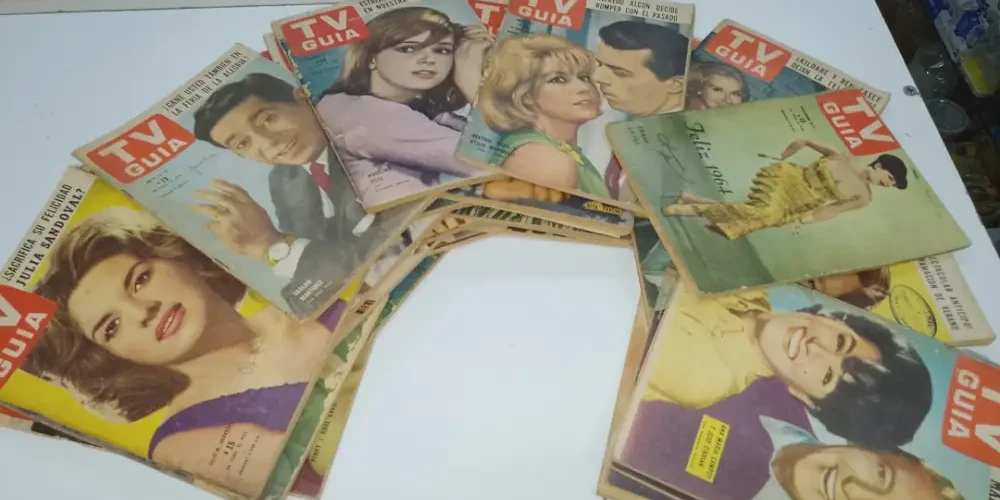
Why we still find ourselves collecting those old gambling magazines
Discover why vintage gambling magazines…

Why boutique gambling magazines are actually making a comeback among pros
Discover why professional gamblers are…